
Nutrition
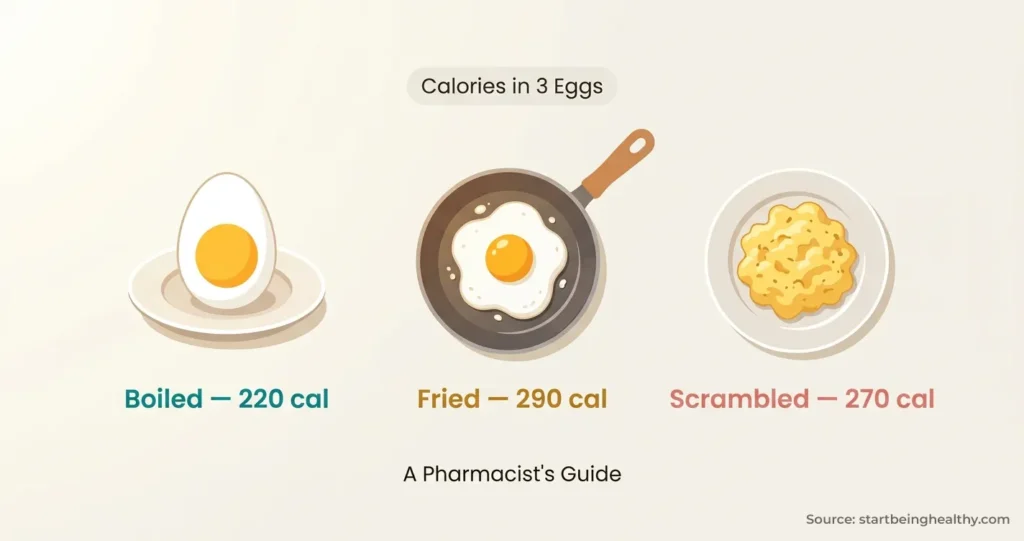
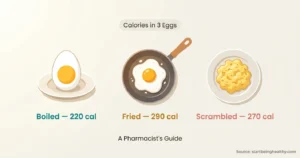
Calories in 3 Eggs: Why the Number Depends on 3 Things
Search “how many calories in 3 eggs” and you’ll get a dozen different answers — 162, 189, 215, 220, 270, 300, 400....

Start Being Healthy publishes medically-reviewed guides on weight loss medications, intermittent fasting, mental health, women's health, and more — every article written or reviewed by a licensed pharmacist. Clinical evidence, clear language, no marketing hype.
Search “how many calories in 3 eggs” and you’ll get a dozen different answers — 162, 189, 215, 220, 270, 300, 400....
Comprehensive, pharmacist-reviewed guides on the health questions our readers ask most.
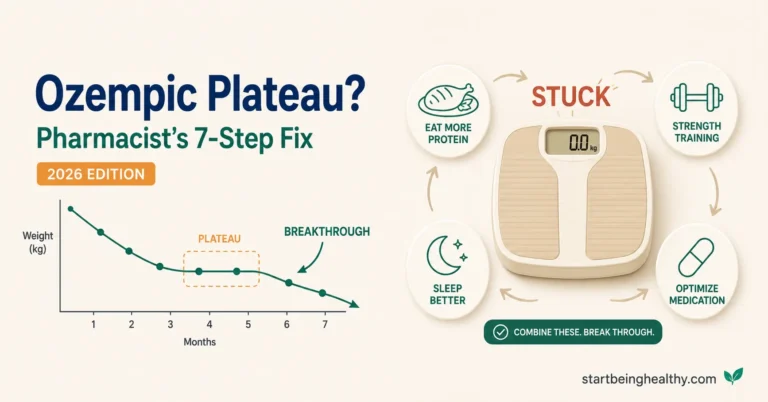
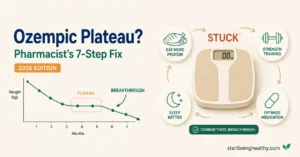
Quick answer: An Ozempic weight loss plateau usually occurs 3-6 months into treatment as your body adapts to the medication. To break...
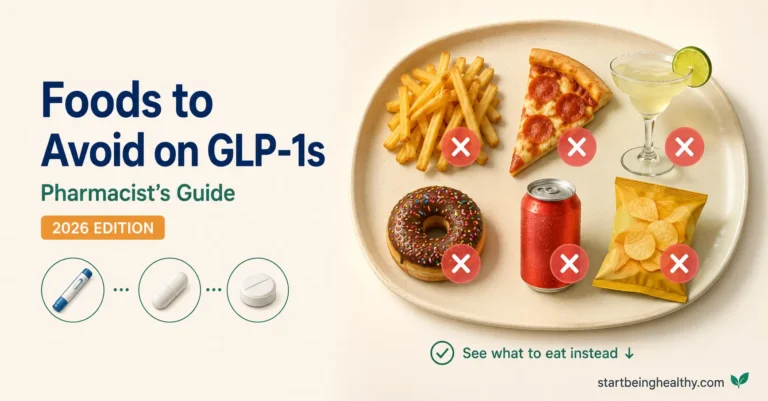
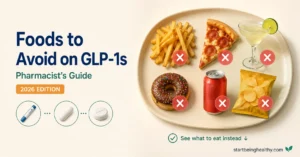
Quick answer: The main foods to avoid on GLP-1 medications (Ozempic, Wegovy, Mounjaro, Zepbound, Foundayo) are high-fat fried foods, sugary drinks and...
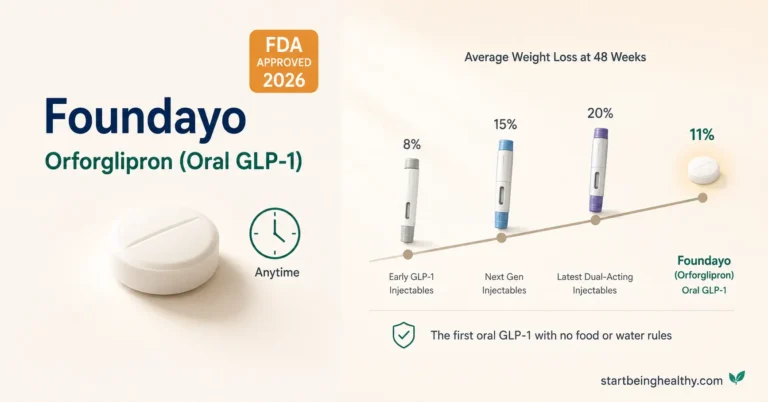
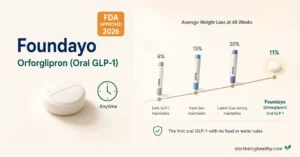
Quick answer: Foundayo (orforglipron) is dosed once daily by mouth, starting at 0.8 mg and gradually escalating every 30 days through 2.5...
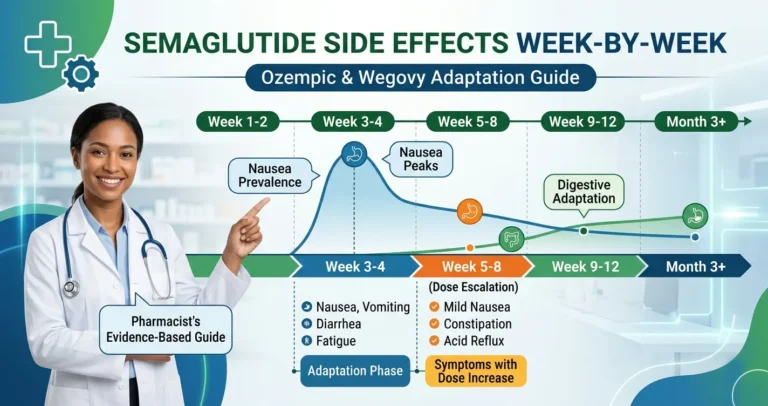
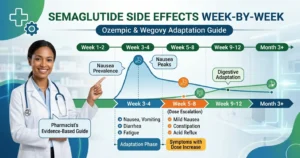
The single biggest reason patients abandon semaglutide before it works is unmanaged side effects in the first few weeks. If you know...
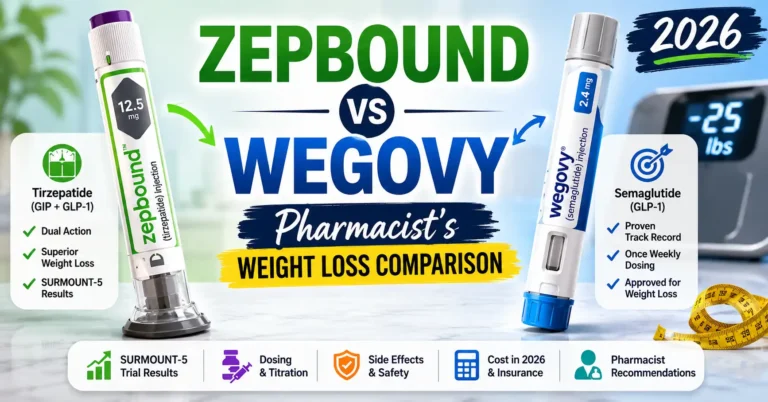
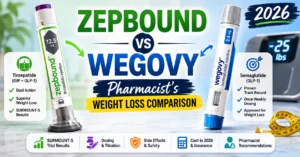
For the first time, we have a direct, head-to-head clinical trial answering the question millions of people are asking: Zepbound vs Wegovy...
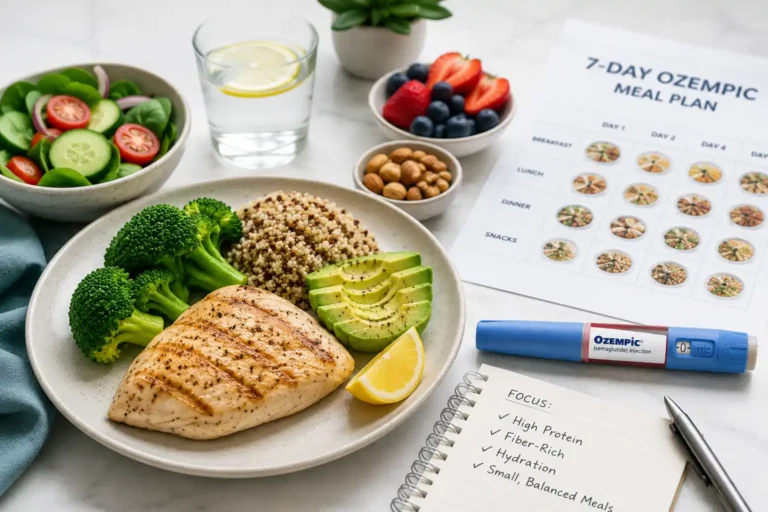
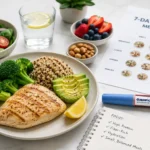
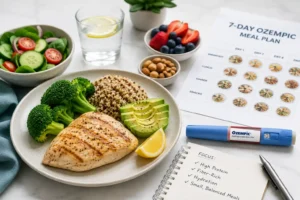
Quick answer: On Ozempic (and other GLP-1 medications), prioritize 25-30g of lean protein at every meal, non-starchy vegetables, healthy fats like avocado...
Every category contains pharmacist-reviewed guides written for real decisions.
Ozempic, Wegovy, Mounjaro, Zepbound, Foundayo
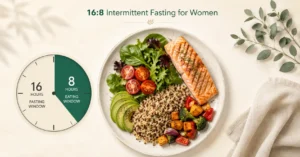
16:8, 20:4, protocols for special populations
Meal plans, food guides, supplement reviews
PCOS, menopause, hormonal weight changes
Panic attacks, anxiety, evidence-based support
Autoimmune, respiratory health, physical therapy
Articles refreshed with the latest clinical evidence, FDA updates, and guideline changes.



Start Being Healthy publishes health guides with the same rigor a clinician would apply — but in language a non-clinician can understand. Every article is medically reviewed by Dr. Faryal Faisal, PharmD to ensure clinical accuracy and safety before publication.
Our newest pharmacist-reviewed guides — added regularly as new evidence emerges.
Simple, accurate tools designed to answer specific health questions in seconds.
Quick answers to what people ask us most. For deep answers, browse our guides.
Yes. Every article on this site is written or medically reviewed by Dr. Faryal Faisal, PharmD — a licensed pharmacist with clinical training at Dr. Ziauddin Hospital and the Karachi Institute of Kidney Diseases. Read more about our editorial process.
Based on head-to-head clinical trial data, tirzepatide (Zepbound/Mounjaro) produces the greatest average weight loss at 20.2% at 72 weeks. Semaglutide (Wegovy/Ozempic) produces around 14.9%. The newer oral option Foundayo (orforglipron) produces around 11.2%. See our full comparison guide for details.
Combining intermittent fasting with GLP-1 medications can be safe for some patients but carries specific risks — including hypoglycaemia and accelerated muscle loss. Always consult your prescriber before combining fasting with weight loss medications.
The main categories to limit are high-fat and fried foods (worst offenders for nausea), sugary foods and refined carbs, alcohol (hypoglycaemia risk), and ultra-processed foods. See our complete pharmacist's foods to avoid guide.
Weight loss plateaus affect 60-70% of GLP-1 patients between months 3-6. Common causes include metabolic adaptation, muscle loss, ghrelin rebound, and inadequate protein. Our 7-step plateau fix guide covers the breakthrough protocol.
No. We do not accept payment from pharmaceutical companies, supplement brands, weight loss programs, or telehealth providers in exchange for editorial coverage. Our recommendations reflect the clinical evidence — not commercial interests.