

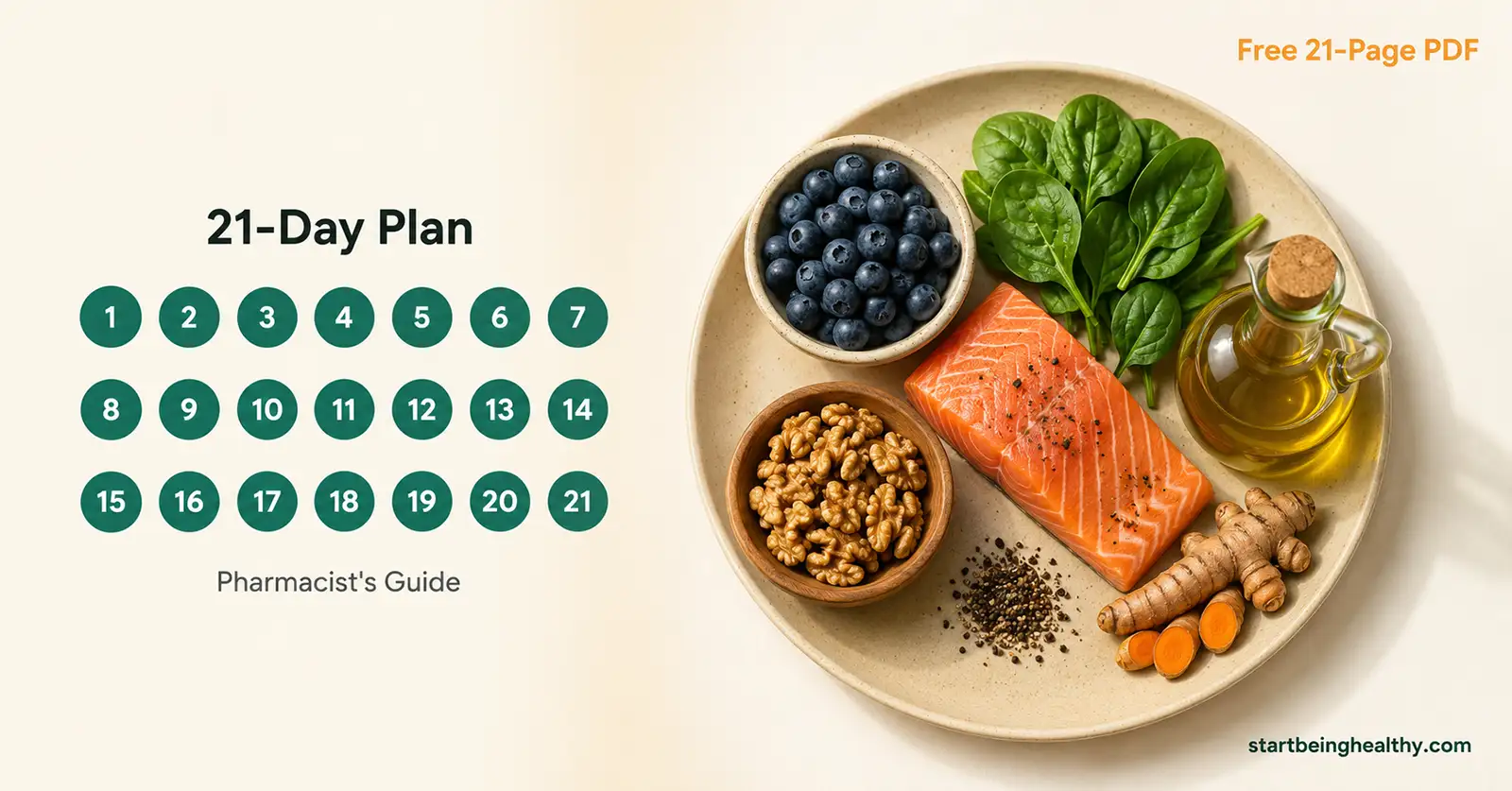
Quick answer: A 21-day anti-inflammatory diet reduces chronic inflammation by focusing on omega-3-rich foods (fatty fish, flaxseed, walnuts), colorful vegetables and berries, whole grains, olive oil, and green tea — while eliminating refined sugar, processed foods, trans fats, and excess alcohol. Most people notice reduced joint pain, better energy, improved digestion, and modest weight loss within the first 3 weeks when following this pharmacist-designed plan consistently.
Free Download: Skip the reading and grab the full 21-day plan as a printable PDF — includes the complete meal plan, shopping list for all 3 weeks, recipes, and food reference guide. Download the 21-Day Anti-Inflammatory Diet PDF →
Chronic inflammation is now recognised as a root driver of some of the most prevalent and serious conditions affecting adults globally — cardiovascular disease, type 2 diabetes, certain cancers, Alzheimer’s disease, and autoimmune disorders. The good news is that diet is one of the most powerful and evidence-based tools for reducing chronic inflammatory load.
This 21-day anti-inflammatory diet plan is built on the strongest dietary evidence currently available — the Mediterranean dietary pattern, which has been shown in 33 randomised controlled trials involving 3,476 participants to significantly reduce key inflammatory biomarkers including hs-CRP, IL-6, and IL-17. The plan gives you a structured, realistic, day-by-day approach to eating that addresses inflammation at its dietary root — alongside a free downloadable PDF you can use immediately.
Before outlining the plan, I want to address something important from a pharmaceutical standpoint: certain medications interact directly with anti-inflammatory foods, and this is almost never discussed in general diet guides.
The most clinically significant interaction is between warfarin (an anticoagulant) and vitamin K-rich foods that are central to anti-inflammatory eating — leafy greens like spinach, kale, broccoli, and Brussels sprouts. Vitamin K directly affects how warfarin works. Patients on warfarin do not need to avoid these foods, but they do need to keep their intake consistent from week to week so their INR remains stable. Sudden large increases in leafy green intake — which is very likely when starting an anti-inflammatory diet — can significantly reduce warfarin effectiveness and increase clotting risk. If you are on warfarin, discuss this dietary change with your anticoagulation clinic or pharmacist before starting.
The second interaction worth noting: omega-3 fatty acids from fatty fish and fish oil supplements — a cornerstone of anti-inflammatory eating — have mild antiplatelet effects. In people on anticoagulants or antiplatelet medications like aspirin, clopidogrel, or warfarin, significantly increasing omega-3 intake through large quantities of fatty fish or high-dose fish oil supplements should be discussed with a physician.
For everyone else, this dietary approach is safe, well-evidenced, and clinically beneficial. Start with the foods. The evidence strongly supports it.
— Faryal Faisal, PharmD, Start Being Healthy
What Is Chronic Inflammation and Why Does It Matter?
Inflammation is your body’s natural immune response to injury or infection. Acute inflammation — the redness and swelling around a cut — is essential for healing and resolves within days. Chronic inflammation is different: it is a sustained, low-grade immune activation that persists over months or years, often without obvious symptoms, and progressively damages tissues and organs.
Chronic inflammation is measured clinically through biomarkers including high-sensitivity C-reactive protein (hs-CRP), interleukin-6 (IL-6), tumour necrosis factor-alpha (TNF-α), and interleukin-1β (IL-1β). Elevated levels of these biomarkers are consistently associated with increased risk of:
- Cardiovascular disease — elevated CRP is an independent predictor of coronary heart disease events
- Type 2 diabetes — chronic inflammation impairs insulin receptor function and promotes insulin resistance
- Certain cancers — sustained inflammatory signalling creates an environment that supports tumour growth
- Alzheimer’s disease and cognitive decline — neuroinflammation is increasingly recognised as a core mechanism in neurodegenerative disease
- Autoimmune conditions — including rheumatoid arthritis, inflammatory bowel disease, and psoriasis
- Depression and anxiety — elevated inflammatory markers are consistently found in people with clinical depression
Key drivers of chronic inflammation include ultra-processed food consumption, refined sugar and refined carbohydrate intake, excessive saturated and trans fats, sedentary behaviour, chronic stress, poor sleep, smoking, and excess visceral adipose tissue. Diet is the most modifiable of these drivers — and the Mediterranean dietary pattern has the strongest evidence base for addressing it.
What the Clinical Evidence Shows About Anti-Inflammatory Diets
The evidence for dietary approaches to inflammation reduction is now substantial and comes from high-quality randomised controlled trials — not just observational associations.
2025 umbrella review of dietary patterns and inflammation — The most comprehensive analysis to date, examining 30 systematic reviews representing 225 primary studies and 60 meta-analyses, found the Mediterranean diet has a significant beneficial association with CRP, IL-6, and adiponectin with certainty of evidence ranging from high to low. A vegetarian diet showed significant inverse association with CRP. (Nutrition Reviews, 2025)
2025 systematic review and meta-analysis — Mediterranean diet and inflammation — 33 RCTs involving 3,476 participants found the Mediterranean diet produced significant reductions in hs-CRP, IL-6, and IL-17 compared to control diets — directly confirming its role as a clinically meaningful anti-inflammatory dietary intervention. (Nutrition Reviews, 2025 — PubMed: 41211687)
PREDIMED trial — 3-year Mediterranean diet intervention — 285 participants randomised to Mediterranean diet with extra-virgin olive oil, Mediterranean diet with nuts, or a low-fat control diet. After three years, both Mediterranean diet groups showed significant reductions in plasma IL-1β, IL-6, IL-8, TNF-α, IFN-γ, hs-CRP, and multiple additional inflammatory biomarkers compared to the control group. (Urpi-Sarda M, et al., Biomedicines, 2021 — PMC: 8389558)
Omega-3 fatty acids and inflammation — A meta-analysis of RCTs found that omega-3 polyunsaturated fatty acid supplementation significantly reduced CRP, IL-6, and TNF-α. Fish consumption of two or more servings per week is associated with lower inflammatory marker levels across multiple large population studies. (Calder PC, et al., Nutrients, 2017 — PubMed: 28900017)
Gut microbiome and inflammation — High-fibre dietary patterns increase gut microbiome diversity, which is inversely associated with systemic inflammatory markers. Fermented foods increase microbiome diversity and reduce inflammatory cytokines. A randomised trial found that a high-fibre diet and a fermented food diet both reduced inflammatory protein levels, with the fermented food diet producing the larger effect. (Wastyk HC, et al., Cell, 2021 — PubMed: 34256014)
Polyphenols and cancer risk — Polyphenol-rich dietary patterns are associated with reduced risk of several cancers. Curcumin (from turmeric) has demonstrated anti-tumour properties in pre-clinical research and is being studied in clinical trials for colorectal and other cancers. (Aggarwal BB, et al., Cancer Research, 2006 — PubMed: 16489003)
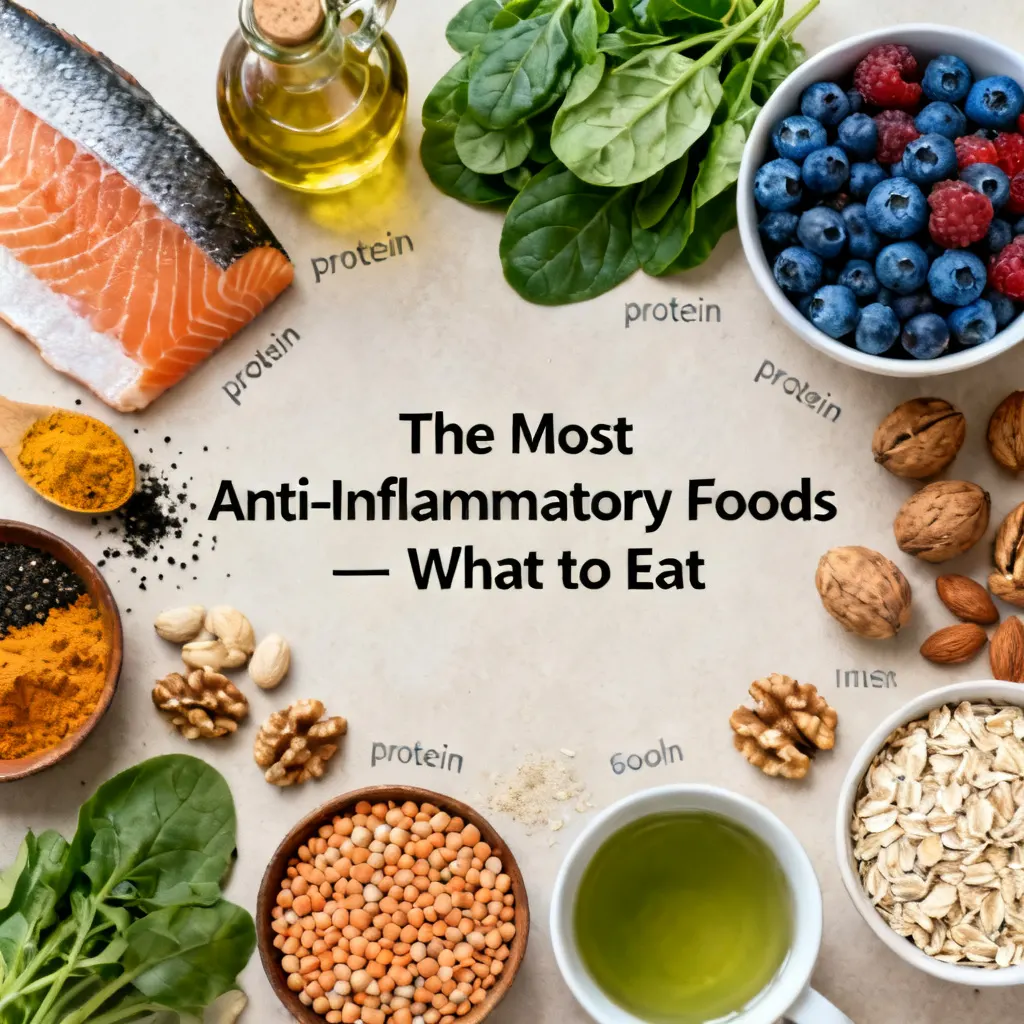
The Most Anti-Inflammatory Foods — What to Eat
Fatty fish — the most evidence-backed anti-inflammatory food
Salmon, mackerel, sardines, anchovies, and herring are rich in EPA and DHA — the long-chain omega-3 fatty acids with the strongest clinical evidence for reducing inflammatory biomarkers. Aim for two to three servings of 100–150g per week. Wild-caught fish generally has a more favourable omega-3 to omega-6 ratio than farmed varieties.
Best choices: Wild salmon, mackerel, sardines, herring, anchovies
Extra-virgin olive oil — the cornerstone fat
Extra-virgin olive oil is the primary fat in the Mediterranean diet and the most studied dietary fat for anti-inflammatory effects. Its primary active compound — oleocanthal — inhibits the same inflammatory pathways as ibuprofen, though at dietary doses rather than pharmacological doses. Use it as your primary cooking and dressing oil. Avoid heating above 180°C to preserve phenolic compounds.
How much: 2–4 tablespoons daily, used in cooking and as a dressing
Leafy green vegetables — high polyphenol, high fibre
Spinach, kale, Swiss chard, rocket, and collard greens are among the most nutrient-dense foods available. Rich in vitamins K, C, and E, folate, magnesium, and anti-inflammatory flavonoids. The fibre in leafy greens feeds beneficial gut bacteria, supporting the gut-inflammation axis. Aim for one to two servings daily.
Note for warfarin patients: Keep leafy green intake consistent week to week — see Pharmacist’s Perspective above.
Berries — highest antioxidant density of any fruit
Blueberries, strawberries, raspberries, and blackberries contain anthocyanins — polyphenols with particularly strong evidence for reducing oxidative stress and inflammatory markers. A single cup of blueberries daily has been shown in RCTs to reduce hs-CRP and improve endothelial function. Frozen berries retain full polyphenol content and are equally effective as fresh.
Nuts — daily consumption associated with lower CRP
Walnuts, almonds, and other nuts are associated with reduced inflammatory markers in population studies and controlled trials. Walnuts are particularly notable for their ALA omega-3 content. A 30g daily serving of mixed nuts is the amount used in the PREDIMED trial. Nuts also support gut microbiome diversity through their fibre and polyphenol content.
Turmeric with black pepper — curcumin bioavailability matters
Turmeric contains curcumin, one of the most studied natural anti-inflammatory compounds. The critical point most articles omit: curcumin has extremely poor bioavailability when consumed alone — less than 1% is absorbed. Combining turmeric with black pepper (which contains piperine) increases curcumin bioavailability by up to 2,000%. Always use turmeric with black pepper. Cook with it in warm dishes rather than consuming cold — heat also improves absorption.
Legumes — fibre, protein, and anti-inflammatory plant compounds
Lentils, chickpeas, black beans, kidney beans, and other legumes are high in soluble fibre, plant protein, and polyphenols. They feed beneficial gut bacteria, reduce post-meal glucose spikes, and are associated with lower CRP levels in epidemiological studies. Aim for four to five servings per week.
Whole grains — refined grains drive inflammation, whole grains reduce it
There is a meaningful difference between whole grains and refined grains in terms of inflammatory effect. Refined grains (white bread, white rice, pastries) cause rapid glucose spikes that promote inflammatory cytokine release. Whole grains (oats, brown rice, quinoa, whole wheat, barley) are high in fibre, have a lower glycaemic index, and are associated with lower CRP in multiple studies.
Green tea and other polyphenol-rich beverages
Green tea contains EGCG (epigallocatechin gallate), one of the most potent polyphenols with anti-inflammatory and antioxidant properties. Two to three cups daily is the amount associated with cardiovascular and anti-inflammatory benefits in population studies. Coffee — in moderate amounts — is also associated with reduced inflammatory markers through its chlorogenic acid content.
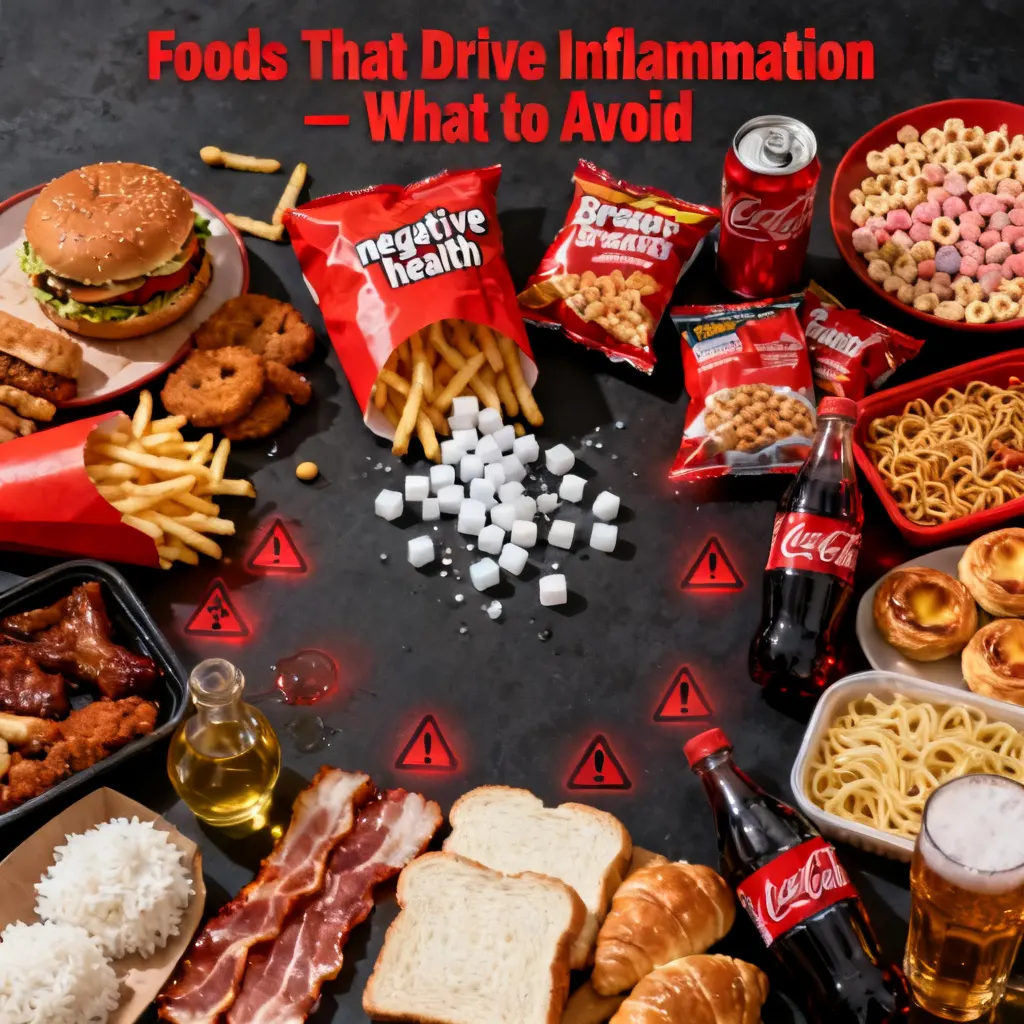
Foods That Drive Inflammation — What to Avoid
Ultra-processed foods
Ultra-processed foods — those manufactured with industrial ingredients, additives, flavourings, and emulsifiers not found in home cooking — are the single biggest dietary driver of chronic inflammation. They are high in refined carbohydrates, trans fats, omega-6 fatty acids, and additives that disrupt gut microbiome composition. The NOVA classification identifies ultra-processed foods as Group 4 — packaged snacks, fast food, ready meals, sugary drinks, and most breakfast cereals fall into this category.
Refined sugar and sugar-sweetened beverages
Fructose — particularly from high-fructose corn syrup — directly stimulates inflammatory cytokine production in the liver. Sugary drinks are the most concentrated dietary source of refined fructose. A single 500ml can of cola contains approximately 55g of sugar — far exceeding any meaningful daily threshold.
Refined vegetable oils high in omega-6
Soybean oil, corn oil, sunflower oil, and other refined vegetable oils are extremely high in omega-6 linoleic acid. While omega-6 is essential in small amounts, the modern Western diet contains an omega-6 to omega-3 ratio of approximately 15:1 — far above the 4:1 or lower ratio associated with reduced inflammatory risk. Swap refined vegetable oils for extra-virgin olive oil or avocado oil.
Red and processed meats
High consumption of red meat — particularly processed meats including bacon, sausage, hot dogs, and deli meats — is consistently associated with elevated CRP and other inflammatory markers. Processed meats contain nitrates, advanced glycation end products, and saturated fats that promote inflammatory signalling. The evidence does not require complete elimination — reducing to one to two servings of unprocessed red meat per week and avoiding processed meats is the evidence-based approach.
Refined grains and white flour products
White bread, pasta, pastries, and white rice cause rapid blood glucose spikes that trigger insulin release and inflammatory cytokine production. The fibre and nutrients present in whole grains are stripped away during refining, removing their anti-inflammatory properties.
Alcohol in excess
Moderate alcohol consumption has a complex relationship with inflammation — moderate red wine consumption is associated with anti-inflammatory effects in some Mediterranean diet studies, attributed to resveratrol. However, excess alcohol consumption (more than one standard drink per day for women, two for men) is strongly pro-inflammatory, disrupts gut barrier integrity, and promotes liver inflammation.
The 21-Day Anti-Inflammatory Diet Plan
The plan is structured in three phases of seven days each, progressively introducing anti-inflammatory foods and eliminating pro-inflammatory ones. Download the full PDF here: 21-Day Anti-Inflammatory Diet PDF.
Phase 1 (Days 1–7): Foundation — eliminating pro-inflammatory foods
The first week focuses primarily on removal. The most impactful dietary changes come from eliminating the biggest inflammatory drivers: sugary drinks, ultra-processed snacks, refined grains, and refined vegetable oils. You do not need to be perfect — you need to make consistent progress.
Day 1 — Breakfast: Chia pudding with berries (recipe below) Day 1 — Lunch: Large mixed green salad with extra-virgin olive oil and lemon dressing, topped with tinned sardines or chickpeas Day 1 — Dinner: Baked salmon with roasted broccoli and sweet potato
Day 2 — Breakfast: Overnight oats with blueberries, walnuts, and cinnamon Day 2 — Lunch: Lentil and vegetable soup with a slice of whole-grain bread Day 2 — Dinner: Grilled chicken with quinoa and steamed kale, dressed with olive oil and garlic
Day 3 — Breakfast: Scrambled eggs with spinach and cherry tomatoes, cooked in olive oil. Eggs are one of the most efficient protein sources for anti-inflammatory eating — three boiled eggs deliver 19g of complete protein for just 220 calories. For the full breakdown by cooking method, see our guide to calories in 3 eggs. Day 3 — Lunch: Hummus wrap with cucumber, red pepper, and rocket in whole-grain tortilla Day 3 — Dinner: Baked mackerel with roasted asparagus and brown rice
Days 4–7: Continue the same structure — one serving of fatty fish, one serving of legumes, and two to three cups of leafy greens daily. Snack on a small handful of mixed nuts and a piece of fruit between meals.
Phase 2 (Days 8–14): Building — increasing anti-inflammatory food density
Week two adds fermented foods for gut microbiome support and increases the variety of polyphenol-rich plants.
Daily additions in Week 2:
- One serving of fermented food — Greek yogurt, kefir, kimchi, sauerkraut, or miso
- Two to three cups of green tea daily
- Turmeric with black pepper in at least one meal daily (add to soups, stews, eggs, rice)
- One tablespoon of ground flaxseed added to yogurt or oats
Sample meals for Week 2:
Day 8 — Breakfast: Greek yogurt with mixed berries, ground flaxseed, and a drizzle of honey Day 8 — Lunch: Lentil soup with turmeric and black pepper (recipe below) Day 8 — Dinner: Baked cod with Mediterranean-style roasted vegetables (courgette, aubergine, red onion, cherry tomatoes) in extra-virgin olive oil
Day 11 — Breakfast: Smoothie with spinach, frozen blueberries, banana, ground flaxseed, and almond milk Day 11 — Lunch: Chickpea and spinach stew with turmeric, cumin, and crushed black pepper Day 11 — Dinner: Grilled salmon with miso-glazed aubergine and brown rice
Phase 3 (Days 15–21): Consolidating — making it sustainable
Week three introduces meal prep strategies, more complex anti-inflammatory recipes, and focuses on building long-term habits rather than short-term compliance.
Week 3 focus points:
- Cook in batches — prepare whole grains and legumes in bulk at the start of the week
- Build an anti-inflammatory pantry — stock your kitchen with the core staples so healthy choices are always available
- Practice the 80/20 rule — aim for anti-inflammatory eating 80% of the time, allowing flexibility for social meals without derailing progress
Sample meals for Week 3:
Day 15 — Breakfast: Poached eggs on whole-grain toast with sliced avocado and rocket Day 15 — Lunch: Quinoa salad with roasted vegetables, chickpeas, feta, and lemon-olive oil dressing Day 15 — Dinner: Sardine and tomato pasta with whole-grain pasta, garlic, capers, and olive oil
Day 19 — Breakfast: Bircher muesli with oats, grated apple, walnuts, and kefir Day 19 — Lunch: Turkey and avocado lettuce wraps with hummus Day 19 — Dinner: Baked salmon with lentil salad and roasted kale
Featured Recipes
Chia Pudding with Berries (Day 1 Breakfast)
Ingredients:
- 2 tablespoons chia seeds
- 1 cup unsweetened almond milk or any milk of choice
- Half a cup of mixed berries (blueberries, strawberries)
- 1 teaspoon cinnamon
- 1 teaspoon honey (optional)
Instructions:
- Mix chia seeds, almond milk, and cinnamon in a jar or bowl
- Refrigerate overnight or for at least 4 hours
- Top with berries and drizzle with honey if desired
Why it is anti-inflammatory: Chia seeds provide ALA omega-3s and soluble fibre. Berries provide anthocyanins. Cinnamon has documented anti-inflammatory properties and improves insulin sensitivity.
Lentil Soup with Turmeric (Day 4 Lunch)
Ingredients:
- 1 cup dried lentils, rinsed
- 1 medium onion, chopped
- 2 carrots, chopped
- 2 celery stalks, chopped
- 3 cloves garlic, minced
- 1 teaspoon turmeric powder
- Half a teaspoon freshly ground black pepper (essential with turmeric)
- 4 cups low-sodium vegetable broth
- 2 tablespoons extra-virgin olive oil
- Salt to taste
Instructions:
- Heat olive oil in a large pot and sauté onions, carrots, and celery until softened — approximately 5 minutes
- Add garlic, turmeric, and black pepper, sautéing for another 60 seconds
- Add lentils and vegetable broth. Bring to a boil, then reduce to a simmer for 30–40 minutes until lentils are tender
- Adjust seasoning and serve
Why it is anti-inflammatory: Lentils provide soluble fibre and plant protein. Turmeric with black pepper delivers bioavailable curcumin. Olive oil provides oleocanthal and monounsaturated fats. Garlic contains allicin, which has demonstrated anti-inflammatory effects in controlled trials.
Baked Salmon with Roasted Vegetables (Day 3 Dinner)
Ingredients:
- 150g salmon fillet
- 1 cup broccoli florets
- 1 medium sweet potato, cubed
- 2 tablespoons extra-virgin olive oil
- 2 garlic cloves, minced
- Juice of half a lemon
- Salt, pepper, and dried herbs to taste
Instructions:
- Preheat oven to 200°C / 400°F
- Toss broccoli and sweet potato in 1 tablespoon olive oil, season, and roast for 20 minutes
- Place salmon on a lined baking tray, drizzle with remaining olive oil, lemon juice, and garlic
- Bake salmon for 15–18 minutes until cooked through
- Serve salmon over roasted vegetables
Why it is anti-inflammatory: Salmon provides EPA and DHA omega-3s — the most bioavailable form. Broccoli contains sulforaphane, a potent anti-inflammatory and antioxidant compound. Sweet potato provides beta-carotene and fibre.
Medications and the Anti-Inflammatory Diet: What to Know
As covered in the Pharmacist’s Perspective, several medication interactions are worth addressing explicitly:
Warfarin and vitamin K-rich foods — Spinach, kale, broccoli, Brussels sprouts, and other leafy greens are vitamin K-rich and central to anti-inflammatory eating. If you are on warfarin, maintain consistent — not necessarily low — intake of these foods week to week. Sudden increases can reduce warfarin’s effectiveness. Inform your anticoagulation clinic you are changing your diet and have your INR checked more frequently in the first two to three weeks.
Omega-3 and antiplatelet or anticoagulant medications — Large amounts of omega-3 from supplements (above 3g EPA+DHA daily) have mild antiplatelet effects. Two to three servings of fatty fish per week is safe for most patients on these medications — but adding high-dose fish oil supplements on top requires physician guidance.
Metformin and dietary changes — An anti-inflammatory diet typically reduces refined carbohydrate and sugar intake significantly, which can lower blood glucose. In patients on metformin or other glucose-lowering medications, this combination may lower blood glucose more than expected. Monitor blood glucose more closely in the first few weeks and discuss with your physician if you notice consistent hypoglycaemic symptoms. For more on metformin and dietary management, see our guide on Intermittent Fasting for PCOS Weight Loss.
NSAIDs and curcumin — Turmeric and curcumin have mild anti-inflammatory effects that operate through some of the same pathways as NSAIDs. In patients on NSAIDs or antiplatelet medications, high-dose curcumin supplements may theoretically increase bleeding risk. Culinary turmeric in cooking is safe — high-dose curcumin supplements (above 1g daily) should be discussed with a physician if you are on these medications.
Anti-Inflammatory Diet for Specific Conditions
Arthritis and joint pain
An anti-inflammatory diet is one of the most evidence-based non-pharmacological interventions for rheumatoid arthritis and osteoarthritis. A 2021 systematic review found Mediterranean diet adherence was associated with reduced pain scores and improved function in arthritis patients. The omega-3 fatty acids in fatty fish and the oleocanthal in extra-virgin olive oil have the strongest specific evidence for joint inflammation reduction.
Cardiovascular disease prevention
The PREDIMED trial — the largest randomised trial of a dietary intervention for cardiovascular disease — demonstrated that a Mediterranean diet supplemented with extra-virgin olive oil or nuts reduced major cardiovascular events (heart attack, stroke, cardiovascular death) by approximately 30% compared to a low-fat control diet. This is a clinically significant reduction that exceeds the benefit of many pharmaceutical interventions for primary prevention.
Type 2 diabetes and insulin resistance
Anti-inflammatory dietary patterns improve insulin sensitivity through multiple mechanisms — reducing inflammatory cytokine interference with insulin receptor function, improving gut microbiome composition, and lowering visceral fat. For people with diabetes or pre-diabetes, combining an anti-inflammatory diet with our Calorie Calculator to manage overall caloric intake produces the most consistent results.
Polycystic Ovary Syndrome (PCOS)
PCOS is fundamentally an inflammatory and insulin-resistant condition — making anti-inflammatory eating directly relevant. Elevated CRP, IL-6, and TNF-α are consistently found in women with PCOS. The Mediterranean dietary pattern combined with intermittent fasting (particularly 14:10 or 16:8) addresses both the inflammation and insulin resistance simultaneously. For a complete PCOS-specific intermittent fasting framework with the 4 PCOS phenotypes, metformin timing, and a 3-day meal plan, see our pharmacist’s IF for PCOS guide.
Ulcerative colitis and inflammatory bowel disease
Anti-inflammatory eating is particularly relevant for IBD, though dietary triggers vary significantly between individuals. For a structured meal plan specifically designed for ulcerative colitis, see our dedicated guide: 7-Day Meal Plan for Ulcerative Colitis.
Perimenopause and Menopause
Declining estrogen during perimenopause and menopause raises baseline inflammation, which directly drives visceral fat storage, joint pain, brain fog, and cardiovascular risk. Anti-inflammatory eating is one of the most evidence-based interventions for this transition — but menopausal women have specific protein requirements (1.2–1.6 g per kg body weight) that need to be layered on top of the standard plan to preserve muscle mass and bone density. For a 5-day starter framework specifically built around menopausal weight loss with protein targets and HRT considerations, see our pharmacist’s menopause diet 5-day plan.
Anti-Inflammatory Diet vs Other Popular Diets
| Diet | Anti-inflammatory evidence | Sustainability | Key limitation |
| Mediterranean diet | Strongest — 33 RCTs, 3,476 participants | High | Requires regular fatty fish and olive oil |
| Anti-inflammatory diet (general) | Strong — overlaps significantly with Mediterranean | High | Less standardised — varies by source |
| DASH diet | Good — primarily for blood pressure | High | Less omega-3 focus |
| Plant-based/vegan | Moderate — strong for CRP reduction | Moderate | Requires B12 supplementation |
| Ketogenic diet | Limited and mixed | Low for most people | High saturated fat may increase some markers |
| Paleo diet | Limited | Moderate | Excludes evidence-based legumes and whole grains |
Supplements That Support an Anti-Inflammatory Diet
While the evidence strongly favours food-first approaches, certain supplements have meaningful evidence for anti-inflammatory effects:
Fish oil (EPA + DHA) — the most evidence-backed anti-inflammatory supplement. Meta-analyses confirm significant reductions in CRP, IL-6, and TNF-α. Standard anti-inflammatory doses are 1–3g EPA + DHA daily. Choose molecularly distilled products tested for heavy metals.
Magnesium — low magnesium is associated with elevated CRP. Many people are sub-optimally magnesed. Foods high in magnesium include dark leafy greens, nuts, seeds, and legumes — all central to this plan.
Vitamin D — deficiency is associated with elevated inflammatory markers. Optimising vitamin D levels (typically through supplementation at 1,000–2,000 IU daily) is associated with improved inflammatory profiles in people with deficiency.
Curcumin with piperine — if you do not regularly cook with turmeric, a standardised curcumin supplement (500–1,000mg with piperine) has clinical evidence for reducing CRP and IL-6. Discuss with your pharmacist or physician if on antiplatelet or anticoagulant medications.
Note: Supplements support but do not replace the dietary pattern. No supplement has the breadth of clinical evidence that the Mediterranean dietary pattern has for inflammation reduction.
Download the Free 21-Day Anti-Inflammatory Diet PDF
Get the complete printable plan — 100% free, no signup required.
The PDF includes:
- Full 21-day meal plan with breakfast, lunch, dinner, and snacks
- Shopping list for all three weeks
- Anti-inflammatory food reference guide
- What to eat and what to avoid — one-page summary
- Meal prep guide for Week 3
- All 3 featured recipes in printable format
Decide whether you want signup gating: “100% free, no signup required” is the most click-friendly framing for SEO. If you want to capture emails, change it to “Free download — enter your email to get instant access.” This is a trade-off between SEO engagement (no signup wins) and lead capture (signup wins). My recommendation: leave it ungated for now to maximise CTR and dwell time.
Frequently Asked Questions
Can the 21-day anti-inflammatory diet help with chronic inflammation?
Yes — the dietary pattern in this plan is built on the Mediterranean diet, which has been shown in 33 randomised controlled trials involving 3,476 participants to significantly reduce hs-CRP, IL-6, and IL-17 — the key biomarkers of chronic systemic inflammation. Three weeks is enough time to produce measurable changes in inflammatory markers, though sustained long-term adherence produces the largest benefits.
What is the strongest anti-inflammatory food?
The foods with the strongest clinical evidence for inflammation reduction are fatty fish (EPA and DHA omega-3s), extra-virgin olive oil (oleocanthal), blueberries (anthocyanins), and turmeric combined with black pepper (bioavailable curcumin). Among spices specifically, turmeric combined with black pepper has the most robust anti-inflammatory evidence. Among whole foods, fatty fish have the strongest individual evidence for reducing CRP and IL-6.
What foods should be avoided on the anti-inflammatory diet?
Ultra-processed foods, refined sugar and sugar-sweetened beverages, refined grains (white bread, white rice, pastries), refined vegetable oils high in omega-6 (soybean oil, corn oil, sunflower oil), processed meats, and excess alcohol are the primary pro-inflammatory foods to reduce or eliminate.
What results can I expect after 21 days?
Most people completing a consistent 21-day anti-inflammatory eating plan report improved energy levels, reduced bloating, improved sleep quality, and in many cases reduced joint pain or stiffness. Measurable reductions in hs-CRP and other inflammatory biomarkers typically require 4–12 weeks of consistent dietary change — three weeks can initiate the process but sustained benefit comes from long-term adherence. Weight loss, if it occurs, is secondary to inflammation reduction but is common given the reduced caloric density of this eating pattern.
Is the 21-day anti-inflammatory diet suitable for vegetarians or vegans?
Yes — the plan is easily adapted for vegetarians and vegans. Replace fatty fish with algae-based omega-3 supplements (algal oil provides EPA and DHA directly without the fish), increase legumes, nuts, and seeds for protein, and include more diverse plant-based polyphenol sources. B12 supplementation is essential for vegans — see our guide on Vitamin B12 Injections for Weight Loss for a clinical overview of B12 and supplementation.
How does the anti-inflammatory diet compare to the Mediterranean diet?
They are closely aligned — the Mediterranean diet is the most studied and best-evidenced anti-inflammatory dietary pattern. The primary differences are that Mediterranean diet also includes moderate amounts of wine (the evidence for which is controversial and not recommended as part of this plan) and moderate dairy. The anti-inflammatory framework used in this plan draws directly from Mediterranean diet evidence while being more explicitly focused on inflammatory biomarkers as the target outcome.
Key Takeaways
- Chronic inflammation drives cardiovascular disease, type 2 diabetes, certain cancers, Alzheimer’s disease, and autoimmune conditions — diet is one of the most powerful and evidence-based tools for reducing it
- The Mediterranean dietary pattern has been shown in 33 RCTs involving 3,476 participants to significantly reduce hs-CRP, IL-6, and IL-17 — the key biomarkers of systemic inflammation
- The five most evidence-backed anti-inflammatory foods are fatty fish, extra-virgin olive oil, berries, leafy green vegetables, and turmeric combined with black pepper
- Ultra-processed foods, refined sugar, refined vegetable oils high in omega-6, and processed meats are the primary pro-inflammatory dietary drivers to eliminate
- Patients on warfarin should maintain consistent — not necessarily low — leafy green intake when starting this diet and have their INR checked more frequently in the first two to three weeks
- Three weeks of consistent anti-inflammatory eating initiates measurable inflammatory biomarker changes — long-term adherence to the Mediterranean dietary pattern produces the largest and most sustained benefits
- Download the free PDF for the complete 21-day meal plan with shopping lists and meal prep guidance
References
- [Umbrella review — dietary patterns and inflammation]. Dietary Patterns Associated With Anti-inflammatory Effects. Nutrition Reviews. 2025. https://academic.oup.com/nutritionreviews/advance-article/doi/10.1093/nutrit/nuaf104/8199185
- [Mediterranean diet meta-analysis 2025]. Mediterranean Diet Reduces Inflammation in Adults: A Systematic Review and Meta-analysis of 33 RCTs. Nutrition Reviews. 2025. https://pubmed.ncbi.nlm.nih.gov/41211687/
- Urpi-Sarda M, et al. The 3-Year Effect of the Mediterranean Diet Intervention on Inflammatory Biomarkers Related to Cardiovascular Disease. Biomedicines. 2021;9(8):862. https://www.ncbi.nlm.nih.gov/pmc/articles/PMC8389558/
- Calder PC, et al. Omega-3 fatty acids and inflammatory processes: from molecules to man. Biochemical Society Transactions. 2017. https://pubmed.ncbi.nlm.nih.gov/28900017/
- Wastyk HC, et al. Gut-microbiota-targeted diets modulate human immune status. Cell. 2021;184(16):4137–4153. https://pubmed.ncbi.nlm.nih.gov/34256014/
- Aggarwal BB, et al. Curcumin: the Indian solid gold. Advances in Experimental Medicine and Biology. 2007;595:1–75. https://pubmed.ncbi.nlm.nih.gov/16489003/
- Estruch R, et al. Primary Prevention of Cardiovascular Disease with a Mediterranean Diet Supplemented with Extra-Virgin Olive Oil or Nuts (PREDIMED). NEJM. 2018;378:e34. https://pubmed.ncbi.nlm.nih.gov/29897866/
- NHS. Anti-inflammatory diet. National Health Service. https://www.nhs.uk/live-well/eat-well/