

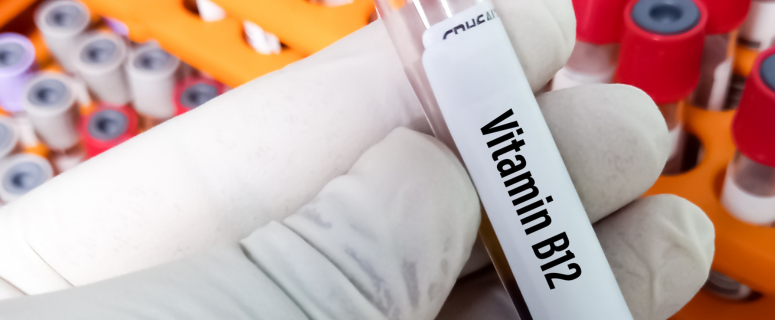
Weight loss shots with B12 are everywhere — weight loss clinics, medspas, and compounding pharmacies all offer them, often as part of packages promising accelerated fat loss, boosted energy, and faster metabolism. Before you book an appointment or pay for a package, you need an honest answer to a simple question: does the clinical evidence actually support these claims?
The answer is nuanced — and depends entirely on which type of shot you are considering, whether you are B12 deficient, and what you are hoping it will do. This guide covers every type of weight loss shot with B12 currently available, what is inside them, what the research shows, who genuinely benefits, and how to make an informed decision before spending money on a clinic package.
Pharmacist’s Perspective — Dr. Faryal Faisal, PharmD
The most important thing I want you to know before reading further: if a weight loss clinic is recommending B12 shots or MIC shots without first testing your B12 blood levels, that is a clinical red flag. A responsible approach always starts with a serum B12 blood test.
Here is the clinical reality. Vitamin B12 is essential for energy metabolism — but it is a cofactor, not a fat-burning agent. If your B12 levels are already normal, injecting more B12 will not accelerate your metabolism, increase your energy, or cause fat loss. Your kidneys will excrete the excess. You will have paid for an injection that your body did not need.
Where B12 injections genuinely matter is in people with confirmed deficiency. B12 deficiency causes fatigue, poor exercise tolerance, impaired cognition, and in severe cases peripheral neuropathy. These symptoms directly undermine any weight loss effort. Correcting the deficiency does not burn fat directly — but it removes a genuine obstacle to the lifestyle changes that do.
As for MIC shots and lipotropic injections — the components have real roles in fat and liver metabolism. But “involved in metabolism” is not the same as “causes fat loss when injected.” No large, well-designed randomised trial has demonstrated that MIC shots produce clinically meaningful weight loss. A 2023 randomised study of 214 adults found only 0.9 lbs additional loss after three months compared to placebo — not statistically significant.
Get the blood test first. Then decide.
— Faryal Faisal, PharmD, Start Being Healthy
What Are Weight Loss Shots With B12?
Weight loss shots with B12 is a broad term covering several different injection products sold at weight loss clinics and medspas. They differ significantly in their composition, clinical evidence base, and cost. Understanding the differences is essential before choosing one.
Pure B12 Injections
The most basic form — vitamin B12 alone, typically cyanocobalamin or methylcobalamin, injected intramuscularly. Clinically indicated for B12 deficiency. Corrects deficiency-related fatigue and metabolic impairment. Does not directly cause fat loss in people with normal B12 levels.
MIC Shots (Lipotropic Injections)
The most widely sold weight loss injection package at clinics. MIC stands for Methionine, Inositol, and Choline — three compounds added to B12 and marketed as lipotropic (fat-mobilising) agents. Also called lipo-B shots, lipo-B12 shots, or lipotropic injections. A typical clinic formula contains approximately 1,000 mcg of B12 with 25 mg each of methionine, inositol, and choline per injection.
B12 + L-Carnitine (Lipo-C Shots)
A variation of MIC shots that adds L-Carnitine, an amino acid involved in transporting fatty acids into mitochondria for energy production. Some research on L-Carnitine and fat oxidation exists but results in human weight loss trials are modest and inconsistent.
B12 + Chromium Shots
Less common. Chromium is added for blood sugar regulation support. Clinical evidence for weight loss benefit is weak.
Typical clinic cost: $15–$50 per injection depending on formula and location. Many clinics sell packages of 4–12 injections at discounted rates. Always confirm your B12 level through a blood test before committing to a package — if your levels are normal, the B12 component will not change your weight.
What Is Vitamin B12 and What Does It Do?
Vitamin B12 (cobalamin) is a water-soluble vitamin that serves as a cofactor in several critical physiological processes. It is required for mitochondrial energy metabolism, normal nervous system function, red blood cell development and maturation, DNA synthesis and the methylation cycle, and has antioxidant effects at the cellular level. (Green R, et al., Nature Reviews Disease Primers, 2017 — PubMed: 28660890)
Because B12 is water-soluble, excess amounts that the body cannot use are excreted in urine rather than stored. This is why supplementing beyond your body’s actual needs produces no additional metabolic benefit.
B12 is found almost exclusively in animal-based foods: meat, fish, poultry, eggs, and dairy. Normal serum B12 reference range is 200–900 picograms per millilitre (pg/mL). Below 200 pg/mL is considered deficient by most clinical guidelines.
Do Weight Loss Shots With B12 Actually Work?
This depends on which shot and who is taking it.
B12-only shots
In people with deficiency: Yes — correcting deficiency improves energy, reduces fatigue, and restores exercise capacity. These changes can support weight loss efforts indirectly. The clinical benefit is real but indirect. B12 is treating the deficiency, not burning fat.
In people with normal B12 levels: No clinical evidence supports weight loss, metabolism boosting, or fat burning. Cleveland Clinic, Mayo Clinic, and NIH Office of Dietary Supplements are all consistent on this point.
MIC shots and lipotropic injections
The evidence is weak. The Obesity Medicine Association’s 2023 clinical guidelines do not list B12 or MIC shots among evidence-based pharmacotherapies for obesity. A review of 12 available trials found a median sample size of just 48 participants and noted that eight of the twelve studies were funded by clinics selling the injections — a significant source of bias. A 2023 randomised study of 214 adults found only 0.9 lbs additional weight loss over three months compared to placebo — not statistically significant. Average fat mass reduction across reviewed trials was under 1% compared to lifestyle advice alone.
The components of MIC shots play real roles in fat and liver metabolism — but there is a critical distinction between “involved in fat metabolism” and “causes fat loss when injected in non-deficient individuals.” Current evidence does not support the latter claim.
What the Clinical Evidence Shows
B12 deficiency and metabolic phenotype — A 2023 study of children, adolescents, and young adults found low serum B12 was associated with worse metabolic phenotype across the weight spectrum. This supports the biological link between B12 status and metabolic health but does not establish that supplementation in non-deficient people causes weight loss. (Aureli A, et al., International Journal of Molecular Sciences, 2023 — PubMed: 38068911)
B12 and lipid metabolism — A review of pre-clinical and clinical evidence found low B12 is associated with adverse lipid profiles including elevated total cholesterol and LDL, particularly in people with type 2 diabetes. Correcting deficiency may improve lipid metabolism — relevant to metabolic health but not a direct weight loss mechanism. (Boachie J, et al., Nutrients, 2020 — PubMed: 32630646)
Inositol and metabolic benefit — A 2024 meta-analysis in the Journal of Clinical Endocrinology and Metabolism found inositol produced selective metabolic benefits in women with PCOS — primarily as oral supplementation, not injected MIC formulas. This does not validate MIC injections for general weight loss. (JCEM, 2024)
No FDA approval for lipotropic injections — MIC shots and lipotropic injections are compounded preparations. They are not FDA-approved as weight loss treatments. Ingredients and dosages vary between clinics and compounding pharmacies with no standardisation.
Breaking Down Each MIC Shot Ingredient
Methionine
An essential amino acid involved in fat metabolism and protein synthesis. Acts as a lipotropic agent — assisting the liver in processing and breaking down fat. Deficiency of methionine is associated with fatty liver disease, but supplementation in non-deficient individuals has not been shown to accelerate fat loss in human clinical trials.
Inositol
A carbocyclic sugar involved in cell signalling and fat metabolism. Some research shows benefits for insulin sensitivity and PCOS-related metabolic dysfunction — but evidence specifically for weight loss in the general population through injection is limited and mixed. Best studied as oral myo-inositol in women with PCOS.
Choline
An essential nutrient involved in fat transport and liver metabolism. Deficiency causes fat accumulation in the liver — but supplementation in non-deficient people has not demonstrated significant fat loss effects in well-designed human trials.
Vitamin B12
Addresses deficiency where confirmed. Supports energy metabolism as a cofactor. Does not directly cause fat loss in non-deficient individuals. If you suspect deficiency, the most important first step is tracking your diet and energy levels — our Calorie Calculator can help you identify whether nutritional gaps in your daily intake may be contributing to low energy alongside a B12 deficiency.
L-Carnitine (in Lipo-C shots)
An amino acid that transports long-chain fatty acids into mitochondria for energy production. Some evidence for modest fat oxidation improvements exists, but human weight loss trials show inconsistent and largely non-significant results for body weight reduction.
Who Genuinely Benefits From B12 Injections
B12 injections — pure B12, not MIC shots — are clinically indicated and genuinely beneficial for specific groups:
People with confirmed B12 deficiency — confirmed by serum B12 test below 200 pg/mL.
Pernicious anaemia — an autoimmune condition where the stomach fails to produce intrinsic factor, making oral B12 absorption impossible. Injections are the primary treatment.
Post-bariatric surgery patients — gastric bypass significantly reduces B12 absorption. Injections are the standard supplementation route for many post-operative patients.
Crohn’s disease and inflammatory bowel conditions — affecting the terminal ileum where B12 is absorbed.
Long-term vegans and strict vegetarians — B12 is found almost exclusively in animal products. Regular B12 testing is strongly recommended for all vegans. Plant-based diets can also create broader nutritional gaps beyond B12 — use our Calorie Calculator to ensure your daily intake covers your energy and macronutrient needs alongside any supplementation.
People on long-term metformin — metformin reduces B12 absorption by up to 30% in some studies. Anyone on long-term metformin should have B12 tested annually. This is especially relevant for people combining metformin with weight loss efforts — see our guide on How to Ask Your Doctor for Weight Loss Pills for a full discussion of medication interactions.
Adults over 65 — B12 absorption declines naturally with age due to reduced gastric acid production.
B12 Injections vs Oral Supplements: Which Is Better?
For dietary deficiency (vegans, low meat intake) — high-dose oral B12 supplements (1,000–2,000 mcg daily) are equally effective as injections for correcting dietary deficiency in most people. Oral supplements are cheaper, needle-free, and available without a prescription.
For absorption-related deficiency (pernicious anaemia, post-bariatric surgery, Crohn’s disease) — injections are necessary because the gut cannot absorb oral B12 regardless of dose. Bypassing the digestive system is the only reliable route.
Sublingual and nasal B12 — sublingual tablets (dissolved under the tongue) and nasal B12 sprays have shown effectiveness for deficiency correction as needle-free alternatives — but only when the gut absorption mechanism is intact.
Types of B12 Used in Injections
Cyanocobalamin — synthetic form, most commonly prescribed. Cost-effective and stable. Must be converted to active forms by the body. Suitable for most patients.
Hydroxocobalamin — natural form, available only by prescription. Stays in circulation longer, allowing longer intervals between injections. Preferred for patients needing high retention.
Methylcobalamin — one of the two active forms. Used directly without conversion. Often preferred when neurological symptoms are prominent.
Adenosylcobalamin — the second active form. Involved in carbohydrate, fat, and amino acid metabolism. Less commonly used as standalone injection.
How to Know If You Actually Need B12 Shots
Step 1 — Get a serum B12 blood test The only reliable confirmation method. Results below 200 pg/mL indicate deficiency. Levels between 200–300 pg/mL are borderline and warrant clinical assessment.
Step 2 — Consider additional markers if borderline Your physician may also test methylmalonic acid (MMA) and homocysteine — both rise when B12 is functionally deficient at the cellular level, even when serum B12 appears near-normal.
Step 3 — Identify the cause The treatment approach differs significantly between dietary and absorption-related deficiency. Your physician will assess through medical and dietary history.
Step 4 — Choose the right treatment If absorption-related, injections are the appropriate route. If dietary, oral supplementation is usually sufficient and more cost-effective. Do not self-prescribe injections based on symptoms alone.
MIC Shots vs Prescription Weight Loss Medications: A Direct Comparison
Many people researching weight loss shots with B12 are trying to decide between clinic-sold injection packages and prescription weight loss medications. Here is an honest comparison:
| MIC Shots / Lipotropic Injections | GLP-1 Medications (Ozempic, Wegovy) | |
| FDA approved for weight loss | No | Yes (Wegovy) |
| Clinical trial evidence | Weak — 0.9 lb additional loss in best trial | Strong — 14.9% mean weight loss at 68 weeks |
| Requires prescription | Compounded — varies by jurisdiction | Yes — physician required |
| Mechanism | Lipid metabolism support | GLP-1 receptor agonism, appetite suppression |
| Cost per injection | $15–$50 | Varies — often insurance covered |
| Suitable for everyone | Not for those with liver/kidney conditions | Not for MTC history, MEN2, pregnancy |
If you are looking for injection-based weight loss treatment with robust clinical trial evidence, GLP-1 medications like semaglutide are the current evidence-based standard of care. See our pharmacist-reviewed guide on 6-Week Belly Ozempic Weight Loss and our complete Semaglutide Weight Loss Dosage Chart for full clinical breakdowns.
B12 and Weight Loss Medications: What Pharmacists Check
Ozempic/Wegovy and B12 — Semaglutide does not deplete B12. However, its significant appetite suppression can reduce dietary B12 intake, particularly in patients reducing animal products. Patients on long-term GLP-1 therapy with restricted diets should have B12 monitored.
Metformin and B12 — One of the most clinically important causes of B12 depletion. Anyone combining metformin with dietary weight loss strategies should have B12 tested annually as a minimum.
MIC shots combined with GLP-1 medications — Some clinics offer MIC shots alongside GLP-1 prescriptions. The B12 component addresses deficiency where present. The lipotropic compounds add no proven synergistic weight loss benefit. If you are already on a GLP-1 medication, discuss with your physician whether adding MIC shots is clinically justified before paying for the extra cost.
Side Effects
B12 injections — common
- Injection site pain, redness, or mild swelling
- Mild nausea immediately after injection
- Headache in some patients
B12 injections — rare but important
- Allergic reaction — including anaphylaxis in rare cases, particularly with hydroxocobalamin. First injection should be administered by a healthcare professional.
- Hypokalaemia — rapid B12 correction in severely deficient patients can temporarily lower potassium. Clinically significant mainly in severe deficiency cases.
- Leber’s disease contraindication — cyanocobalamin B12 injections are contraindicated in patients with Leber’s disease, a rare hereditary optic neuropathy.
MIC shots — additional considerations
- No standardised formulation — ingredients and doses vary between clinics
- Not regulated by FDA as weight loss treatments
- Compounding pharmacy quality varies — ensure your provider uses a licensed, accredited compounding pharmacy
- Those with chronic liver or kidney conditions should discuss with their physician before receiving MIC shots as the lipotropic compounds are metabolised by these organs
Frequently Asked Questions
Do weight loss shots with B12 actually work?
It depends on what type and who is taking them. Pure B12 injections work for people with confirmed deficiency — correcting deficiency improves energy and exercise capacity, supporting weight loss indirectly. MIC shots and lipotropic injections have weak clinical evidence — the best available trial found only 0.9 lbs additional loss over three months, which was not statistically significant. Neither type directly burns fat in people without deficiency.
What are MIC shots and are they worth it?
MIC shots combine Methionine, Inositol, Choline, and B12. They are marketed as fat-burning lipotropic injections. The components play real roles in liver fat metabolism — but no large well-designed randomised trial has demonstrated clinically meaningful weight loss from MIC shots. The Obesity Medicine Association does not list them among evidence-based obesity treatments. Whether they are worth the cost depends on your individual situation — discuss with your physician rather than a clinic sales consultation.
How do you know if you need B12 injections?
A serum B12 blood test is the only reliable method. Below 200 pg/mL confirms deficiency. Symptoms like fatigue, tingling in hands and feet, and mood changes are non-specific and overlap with many other conditions. Always confirm deficiency through a blood test before committing to injections.
Are weight loss shots with B12 safe?
Pure B12 injections are very safe for most people. MIC shots carry additional considerations — quality varies between compounding pharmacies, they are not FDA-regulated for weight loss, and those with liver or kidney conditions should consult their physician first. Neither type is appropriate as self-prescribed treatment — always work with a licensed healthcare provider.
How often should you get B12 injections?
For deficiency treatment, frequency is guided by severity and cause. Severe neurological deficiency may require daily injections initially, tapering to monthly maintenance. Mild deficiency typically requires monthly injections. Frequency should be determined by your physician based on clinical assessment, not clinic package pricing.
What is the difference between B12 shots and MIC shots?
B12 shots contain vitamin B12 only and are clinically indicated for deficiency. MIC shots are compounded formulas combining B12 with methionine, inositol, and choline — marketed specifically for weight loss. B12 shots have established clinical evidence for deficiency treatment. MIC shots have weak and largely industry-funded evidence for weight loss specifically.
Are MIC shots or Ozempic better for weight loss?
These are not comparable treatments. Ozempic (semaglutide) is an FDA-approved prescription GLP-1 receptor agonist with clinical trial evidence showing mean weight loss of 14.9% at 68 weeks in the STEP 1 trial. MIC shots are compounded supplements not FDA-approved for weight loss with the best available trial showing 0.9 lbs additional loss — not statistically significant. If prescription weight loss medication is appropriate for you, GLP-1 medications have substantially stronger evidence.
Key Takeaways
- Weight loss shots with B12 is a broad term covering pure B12 injections, MIC shots, Lipo-C shots, and other compounded formulas — each with different evidence bases
- Pure B12 injections do not cause weight loss in people with normal B12 levels — the clinical benefit in deficient patients is real but indirect
- MIC shots and lipotropic injections have weak clinical evidence — the Obesity Medicine Association does not list them among evidence-based obesity treatments
- Always get a serum B12 blood test before booking clinic injections — if your levels are normal, B12 shots will not change your weight
- MIC shots are not FDA-approved for weight loss and formulas vary significantly between clinics
- People on long-term metformin, vegans, post-bariatric surgery patients, and adults over 65 are at highest risk of genuine B12 deficiency and benefit most from injections
- For injection-based weight loss with robust clinical evidence, GLP-1 medications like semaglutide are the current standard of care
References
- Green R, Allen LH, Bjorke-Monsen AL, et al. Vitamin B12 deficiency. Nature Reviews Disease Primers. 2017;3:17040. https://pubmed.ncbi.nlm.nih.gov/28660890/
- Boachie J, Adaikalakoteswari A, Samavat J, Saravanan P. Low Vitamin B12 and Lipid Metabolism: Evidence from Pre-Clinical and Clinical Studies. Nutrients. 2020;12(7):1925. https://pubmed.ncbi.nlm.nih.gov/32630646/
- Aureli A, et al. Low Levels of Serum Total Vitamin B12 Are Associated with Worse Metabolic Phenotype. International Journal of Molecular Sciences. 2023;24(23):16588. https://pubmed.ncbi.nlm.nih.gov/38068911/
- Obeid R, et al. Vitamin B12 — BMJ. BMJ. 2023;383:e071725. https://pmc.ncbi.nlm.nih.gov/articles/PMC10658777/
- NIH Office of Dietary Supplements. Vitamin B12 — Health Professional Fact Sheet. 2024. https://ods.od.nih.gov/factsheets/VitaminB12-HealthProfessional/
- Healthline. Lipotropic Injections: Benefits, Side Effects, Dosage, and Cost. Updated November 2024. https://www.healthline.com/health/lipotropic-injections
- Mayo Clinic. Vitamin B-12 injections for weight loss: Do they work? 2025. https://www.mayoclinic.org/healthy-lifestyle/weight-loss/expert-answers/vitamin-b12-injections/faq-20058145
- Cleveland Clinic. Can B12 Shots Help With Weight Loss? 2024. https://health.clevelandclinic.org/can-b12-shots-boost-energy-help-lose-weight